À propos de : Laser Cutting (CO2, Plasma, Fiber)
Laser and thermal cutting technology is a cornerstone of modern industry. To help you structure your projects on Torus Link, here is a comprehensive comparison of the three major technologies, their pros and cons, and their key application fields.
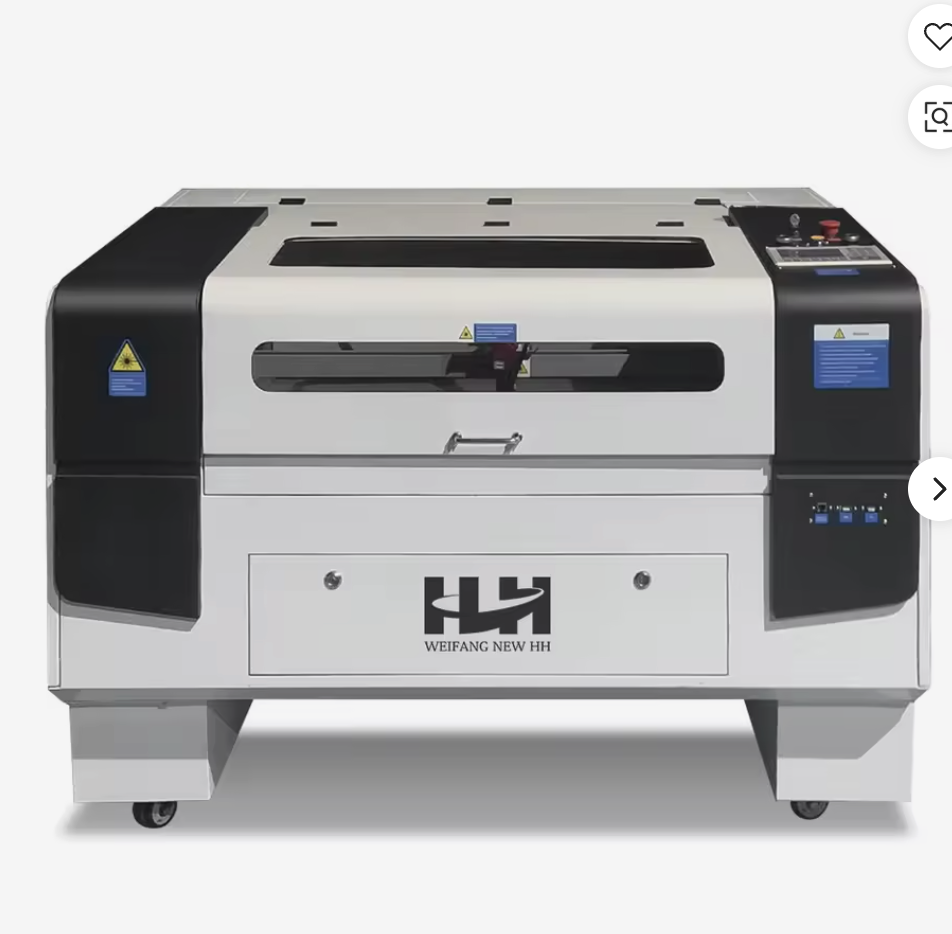
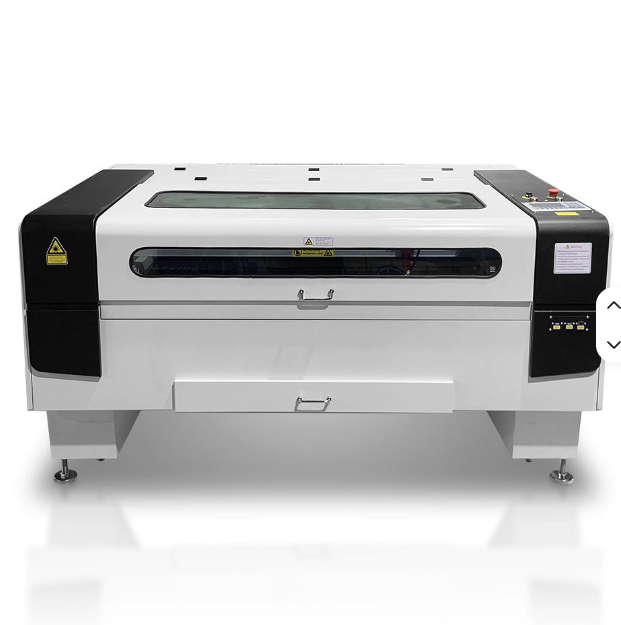
1. CO2 Laser Cutting
CO2 lasers use an electrically excited gas mixture to generate a powerful beam, ideal for non-metallic and organic materials.
+ Pros: Excellent cut quality on non-metallic materials; enables both cutting and fine engraving; clean edges often requiring no post-processing.
- Cons: High energy consumption; regular maintenance (mirrors, optics, gas); unsuitable for thick and conductive metals (reflection).
Applications: Wood, acrylic/plexiglass, leather, textiles, paper, glass (engraving), engineering plastics.
Company types: Signage workshops, design and POS agencies, prototyping, custom items and packaging manufacturers.
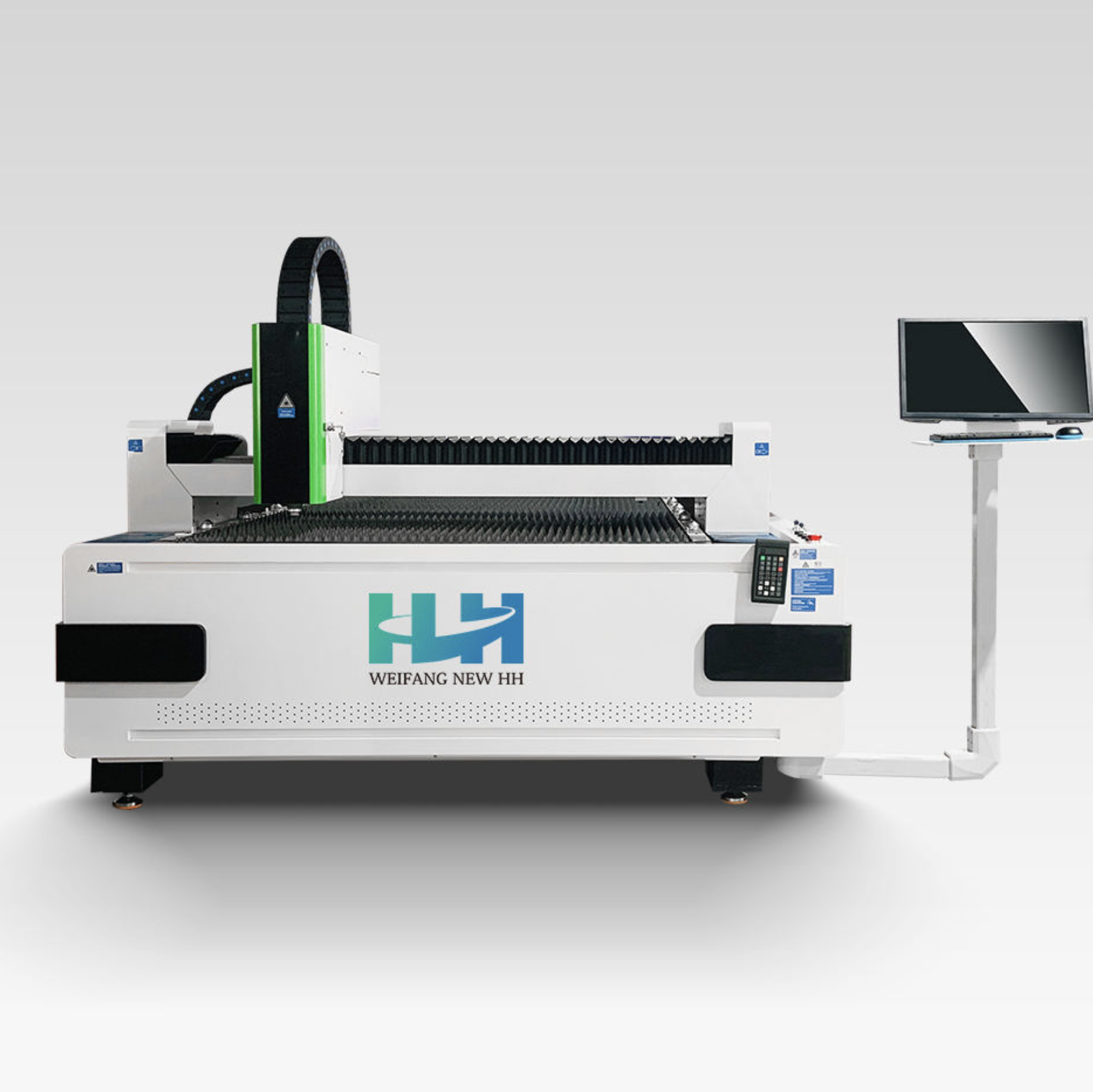
2. Fiber Laser Cutting
A cutting-edge technology using a fiber optic source, fiber laser is the ultimate benchmark for high-speed metal processing.
+ Pros: Exceptionally fast cutting speed on thin to medium sheet metals; low maintenance cost (no mirrors or resonator gas); high energy efficiency and millimeter precision.
- Cons: Higher initial investment (CAPEX); ineffective on most non-metallic materials (transparent or wood).
Applications: Carbon steel, stainless steel, aluminum, brass, copper, thin to thick sheet metal.
Company types: Precision sheet metal subcontractors, automotive, aerospace, industrial boilermaking, metal furniture manufacturers.
3. Plasma Cutting
Although using an electric arc and ionized compressed air (or gas) rather than a pure laser beam, plasma remains the king solution for rapid cutting of thick conductive metals.
+ Pros: Unbeatable capability to cut thick metals at a lower cost; high cutting speed on heavy metals; less sensitive to rust or surface impurities.
- Cons: Edge quality is less precise (bevel angle, dross) compared to fiber laser; wider cut kerf; generates more fumes and spatters.
Applications: Structural steel, heavy steel and aluminum plates, heavy metal structures.
Company types: Steel construction companies, shipyards, large boilermaking and civil engineering workshops.
1. CO2 Laser Cutting
CO2 lasers use an electrically excited gas mixture to generate a powerful beam, ideal for non-metallic and organic materials.
+ Pros: Excellent cut quality on non-metallic materials; enables both cutting and fine engraving; clean edges often requiring no post-processing.
- Cons: High energy consumption; regular maintenance (mirrors, optics, gas); unsuitable for thick and conductive metals (reflection).
Applications: Wood, acrylic/plexiglass, leather, textiles, paper, glass (engraving), engineering plastics.
Company types: Signage workshops, design and POS agencies, prototyping, custom items and packaging manufacturers.
2. Fiber Laser Cutting
A cutting-edge technology using a fiber optic source, fiber laser is the ultimate benchmark for high-speed metal processing.
+ Pros: Exceptionally fast cutting speed on thin to medium sheet metals; low maintenance cost (no mirrors or resonator gas); high energy efficiency and millimeter precision.
- Cons: Higher initial investment (CAPEX); ineffective on most non-metallic materials (transparent or wood).
Applications: Carbon steel, stainless steel, aluminum, brass, copper, thin to thick sheet metal.
Company types: Precision sheet metal subcontractors, automotive, aerospace, industrial boilermaking, metal furniture manufacturers.
3. Plasma Cutting
Although using an electric arc and ionized compressed air (or gas) rather than a pure laser beam, plasma remains the king solution for rapid cutting of thick conductive metals.
+ Pros: Unbeatable capability to cut thick metals at a lower cost; high cutting speed on heavy metals; less sensitive to rust or surface impurities.
- Cons: Edge quality is less precise (bevel angle, dross) compared to fiber laser; wider cut kerf; generates more fumes and spatters.
Applications: Structural steel, heavy steel and aluminum plates, heavy metal structures.
Company types: Steel construction companies, shipyards, large boilermaking and civil engineering workshops.